Navigating the Cancer Journey: Essential Insights on Diagnosis, Treatment, and Support
Understanding cancer can feel like trying to decipher an unending enigma. It affects millions of lives, and just when you think you've grasped one aspect of it, new information emerges, reshaping your perspective and understanding. The statistics show that cancer affects one in three people, bringing an inevitable wave of concern and questions about symptoms, diagnosis, and the maze of treatment options that follow. Armed with knowledge through effective cancer education, you stand a better chance at navigating this complex journey—a journey where information can empower you to advocate for your health and seek out the best possible care.
Cancer symptoms can often masquerade as minor inconveniences or benign health issues. Persistent fatigue, unusual lumps, unexplained weight loss; these signs are often brushed off until they escalate into more significant worries. When it comes to cancer diagnosis, being vigilant is key. It's essential to listen to your body and consult with a healthcare professional, particularly an oncologist when any of these symptoms become persistent or severe. Remember the heartfelt words of a cancer survivor, 'Don’t wait for symptoms to dictate your journey; understand your body and seek clarity early.'
Once you've taken that brave step toward a cancer diagnosis, the next phase is understanding the vast landscape of treatment options available. Research is an excellent ally here—connecting you to new developments and clinical trials that are improving outcomes every day. From traditional methods like surgery and chemotherapy to innovative approaches such as targeted therapy and immunotherapy, the options are as diverse as the types of cancer themselves. Informed patients often find that they’re more equipped to navigate these choices, blending scientific advancements with personal values in their quest for health. Remember, 'Knowledge is a powerful healer.'
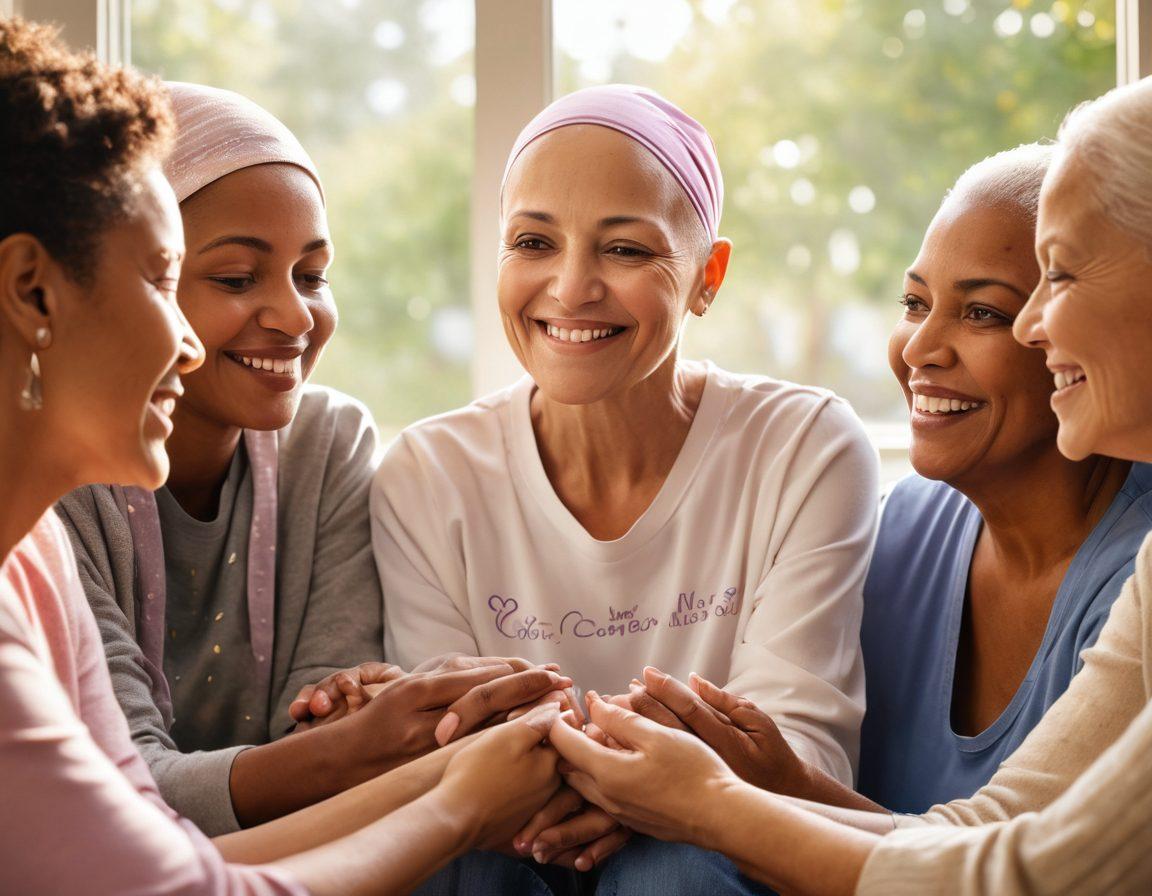
Of course, this journey is rarely a solo endeavor. The cancer community extends beyond the patient to encompass caregivers, family members, and friends. Caregiver support is vital—it can provide emotional support and practical assistance, ensuring that patients do not face cancer treatment alone. In your journey, don’t hesitate to lean on community resources or support groups. Connecting with others who share similar experiences can remind you that you are not alone, and that thriving beyond cancer is possible. Never underestimate the strength that comes from shared stories.
As we wrap up this journey through understanding cancer, we must not overlook the importance of holistic health approaches. Nutrition for cancer patients is an ongoing area of research, consistently emphasizing a diet rich in fruits, vegetables, and whole grains. Additionally, embracing preventive care practices, including regular check-ups and health awareness, can help in early detection and potentially reduce risk factors. In our pursuit to demystify cancer, let’s also set aside time for conversations around cancer myths. Dispelling false claims and sharing truthful, medically backed information can significantly affect patients' emotional stability and decision-making. After all, the road to cancer survival can be illuminated with the right knowledge and a supportive network.
Empowering Patients: The Role of Community and Advocacy in the Cancer Journey
Navigating the tumultuous waters of a cancer diagnosis can feel like being adrift in a stormy sea, with waves of uncertainty crashing all around you. It's a time filled with anxiety, fear, and countless questions. But what many may not realize is that you don’t have to navigate this journey alone. The cancer community is a vibrant tapestry woven with threads of support, knowledge, and empowerment. With the right cancer education and advocacy, patients and their families can find their footing and traverse this difficult journey with grace and resilience.
Picture this: You just received a cancer diagnosis. The world seems to close in around you, and time appears to stand still. Yet, within this daunting experience, you have the opportunity to connect with others who have walked the same path. Patient advocacy is more than just a buzzword; it’s a powerful tool that can propel you toward informed decisions about your tumor treatment options. Engaging with community support groups can enlighten you about your cancer symptoms, available resources, and potential clinical trials that may be right for you. Remember, knowledge is not just power; it's also a source of comfort.
In this landscape of cancer survival, your oncologist becomes an invaluable ally. But the support doesn’t stop there—caregiver support is crucial, too. Have you considered the emotional toll on your loved ones as they accompany you on this journey? They, too, need a space to share their experiences and cope with the challenges. Through community resources and support initiatives, caregivers can find the emotional sustenance they need, which in turn can empower them to support you better. Together, you can cultivate a holistic health perspective that encompasses not just medical treatment, but also nutrition for cancer patients, mental wellness, and preventive care.
One of the most common misconceptions is that a cancer diagnosis signifies defeat. This couldn’t be further from the truth. The cancer myths surrounding survival rates and treatment options can create a heavy burden to bear. But by tapping into the wealth of knowledge offered by advocacy groups and cancer community networks, patients can equip themselves with accurate information that promotes health awareness and encourages proactive health management. Whether it's through art therapy, yoga, or nutrition guidance tailored for cancer patients, each step taken towards self-care can be a form of resistance against the disease.
As we delve deeper into the realm of medical research and cancer updates, it’s crucial to stay informed. Engaging with the latest findings can illuminate potential treatment avenues and improve palliative care approaches for the advanced stages of cancer. Getting involved through advocacy initiatives can not only bring awareness to vital issues but also open doors for clinical trials that others might not have access to. The path may be challenging, but remember—you are not alone, and together with the cancer community, you can forge a new narrative that uplifts, inspires, and empowers individuals facing this journey.
Nourishing Hope: Holistic Health Strategies and Support Resources for Cancer Survivors
In the face of a cancer diagnosis, hope can sometimes feel like a distant flicker. But what if we could nurture that hope through holistic health strategies and support resources? When we talk about cancer, it's essential to understand that it’s not just about tumor treatment, but about embracing a lifestyle that promotes well-being during and after the journey. The importance of cancer education cannot be stressed enough; knowledge is power, and it arms cancer survivors with the tools they need to thrive. Developing a supportive cancer community around you can be the beacon that guides you through troubled waters.
Imagine sitting in the waiting room of an oncology clinic, feeling a mix of anxiety and uncertainty about your future. You’re not alone. Many patients face the daunting process of cancer diagnosis, and each story is unique, laced with both fear and courage. As you explore ways to nourish hope, consider integrating holistic health approaches into your routine. Data-backed nutrition for cancer patients can radically change the body’s response to treatment while boosting mood and energy. Think of food not just as sustenance, but as a potential ally in your fight against cancer.
We often hear countless cancer myths that can cloud our understanding of the reality we face. It’s crucial to sift through information and distinguish fact from fiction. For instance, many believe that cancer is a death sentence, but advancements in medical research and clinical trials show that cancer survival rates are improving every day. Engaging in health awareness events or online health blogs can help demystify the journey and provide essential resources for those in need. Have you ever wondered how many survivors have reclaimed their lives through informed choices?
Nutrition plays a key role in recovery and wellness after a cancer diagnosis. Holistic health strategies often emphasize balanced diets rich in whole foods, fruits, and vegetables. What contributions can simple dietary changes make on a cancer survivor's quality of life? Evidence suggests that well-nourished patients may tolerate treatments better and have a higher chance of experiencing palliative care benefits. You might also want to reach out to your oncologist or a nutritionist specializing in cancer diets for tailored advice. Remember, what we feed our bodies can influence our healing journey every step of the way.
Lastly, we must not forget about the invaluable role of caregiver support. Those who walk alongside cancer survivors often face emotional and physical challenges that are just as daunting. How can we best support these caregivers in our cancer community? Establishing a network that facilitates open conversations and shares resources can alleviate their burden and enrich the overall experience. The journey through cancer is not just an individual battle; it’s a collective struggle that thrives on empathy, strength, and most importantly, hope. As we navigate the cancer journey, let’s commit to not just surviving, but to thriving together.